

The Great Convergence: How Figma is Becoming the Future of Development
For years, we’ve talked about breaking down silos between design and development. We’ve built better handoff tools, created shared design systems, and established rituals around collaboration. However, what’s happening right now goes far beyond improved teamwork—we’re witnessing the fundamental merger of design and development into a single, unified workflow.
Moreover, Figma isn’t just evolving into a better design tool. Instead, it’s becoming the primary authoring environment for frontend development itself.
Beyond the Handoff: When Design Becomes Code
The traditional model looks like this: designers create mockups, developers interpret them, code gets written, feedback loops back to design. Consequently, it’s a relay race where teams lose context at every handoff.
However, with AI-powered development tools like Cursor connecting directly to Figma through protocols like MCP (Model Context Protocol), something revolutionary happens. The design file isn’t just a reference anymore—instead, it becomes the source of truth that directly generates functional code.
Furthermore, when a designer creates a properly structured component system in Figma, complete with variants, states, and design tokens, AI now translates that directly into production-ready React components, complete with proper styling, interactions, and even basic logic.

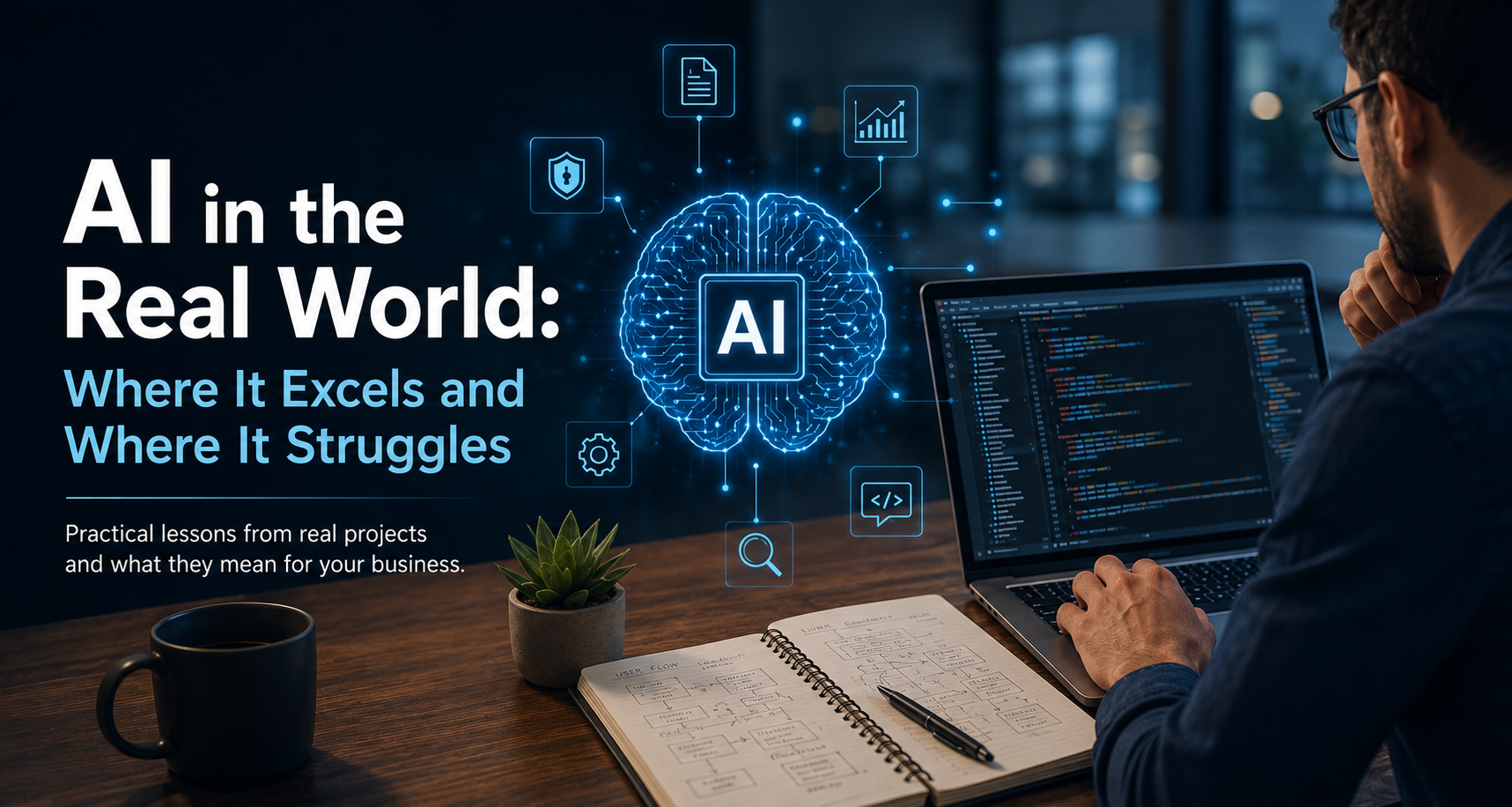
AI analyzing a Figma design file, identifying components and structure that can be directly translated into production code. The design becomes the source of truth for implementation.
The Architecture of Convergence
This isn’t magic—instead, it requires a fundamental shift in how we approach design systems:
Structured Design as Code Architecture First, components must follow strict naming conventions that map to code patterns. Additionally, design tokens replace arbitrary styling decisions. Meanwhile, states and variants must be explicitly defined. Finally, teams need to document interactions with the same rigor as API specifications.
The New Designer Profile Similarly, the designer working in this new paradigm isn’t just thinking about pixels and aesthetics. Instead, they’re architecting component hierarchies, defining data flows, and making decisions that directly impact code structure. As a result, they’re becoming design-developers, owning the entire frontend experience from concept to deployment.
Seamless Pipeline Integration
However, the most exciting part isn’t just the design-to-code translation—it’s how this connects to the entire development pipeline:
Direct Deployment Paths
- First, Figma components flow to AI-generated code
- Next, automated testing validates the output
- Finally, systems push changes to production deployment
- Moreover, version control systems track both design changes and code changes as a unified history
- Additionally, design changes automatically trigger build processes and deployments
Real-time Collaboration at Scale When design updates push to production within minutes rather than weeks, the entire product development cycle accelerates. Furthermore, A/B testing becomes as simple as creating component variants in Figma. Similarly, teams can manage feature flags through design system toggles.
The Emergence of New Roles
This convergence isn’t just changing existing roles—instead, it creates entirely new ones that bridge the traditional design-development divide:
Design Systems Architect
Beyond traditional design system managers, these professionals architect the structural foundation that enables design-to-code automation. Specifically, they define:
- Component taxonomy and inheritance patterns
- Token architecture that maps directly to CSS variables and JavaScript constants
- State management patterns within design components
- Integration protocols between design tools and development pipelines
- Quality assurance frameworks for automated code generation
Frontend Design Engineer
This hybrid role becomes increasingly common—professionals who think in components, own the entire frontend experience, and work primarily in Figma but understand the code implications of every decision. Therefore, they:
- Author production-ready components directly in design tools
- Manage feature flags and A/B tests through design variants
- Own the end-to-end user interface from concept to deployment
- Bridge user research insights with technical implementation constraints
AI Integration Specialist
As AI becomes the translation layer between design and code, new specialists emerge who:
- Fine-tune AI models for specific design system patterns
- Create and maintain prompt libraries that ensure consistent code output
- Monitor and optimize the design-to-code translation quality
- Develop custom MCP connections and plugin integrations
- Establish guardrails and validation processes for AI-generated code
DevOps Design Engineer
Traditional DevOps expands to include design-driven deployment pipelines. Consequently, these professionals:
- Configure CI/CD systems that trigger from design file changes
- Manage version control systems that track design and code changes as unified commits
- Set up automated testing that validates both visual regression and functional behavior
- Orchestrate deployment strategies that can handle rapid design-driven updates
Component Experience Manager
Someone needs to own the holistic component experience across the entire ecosystem. Therefore, they:
- Ensure design components, code components, and documentation stay in perfect sync
- Manage component lifecycle from ideation through deprecation
- Own component performance metrics and usage analytics
- Coordinate component updates across multiple products and teams
What Traditional Roles Become
Designers → Interface Architects
Traditional UI/UX designers evolve into interface architects who think in systems, understand performance implications, and make decisions that directly generate production code. As a result, they need to understand state management, responsive behavior, and accessibility at a technical level.
Frontend Developers → Experience Engineers
Frontend developers shift focus from translating designs to code toward optimizing user experiences, building complex interactions, managing state architecture, and ensuring performance at scale. Consequently, they become the technical foundation that enables designers to work directly with production systems.
Product Managers → Experience Orchestrators
Similarly, with faster design-to-production cycles, product managers need to orchestrate experiences across multiple touchpoints simultaneously, manage feature flag strategies, and coordinate rapid experimentation cycles that can push changes live within hours.
The Platform Play
Figma positions itself not just as a design tool, but as the control center for frontend development:
- Plugin Ecosystem: Connecting to every major development tool and service
- API Integration: Design tokens automatically sync with codebases
- Deployment Pipelines: Direct integration with Vercel, Netlify, and other hosting platforms
- Version Control: Git-like workflows for design files that integrate with code repositories
The Implications Are Massive
Speed of Innovation When design changes push to production in minutes rather than weeks, product teams can experiment at unprecedented velocity. Furthermore, teams can A/B test features by simply creating component variants in Figma.
Team Structure Evolution The traditional model of separate design and development teams may become obsolete. Instead, we’ll see integrated product teams where Interface Architects work directly with Experience Engineers and AI Integration Specialists to ship features end-to-end.
Democratization of Development Designers with structured thinking can now ship functional products without traditional coding skills. As a result, this could lead to an explosion of digital products created by people who were previously blocked by the technical implementation barrier.
What’s Next?
We’re still in the early stages of this convergence. However, the tools improve rapidly, while teams figure out workflows, team structures, and role definitions in real-time.
Moreover, the companies that recognize this shift early and restructure their teams accordingly will have a significant competitive advantage. They’ll move faster, iterate more frequently, and blur the line between design and engineering in ways that create better user experiences.
Finally, the question isn’t whether this shift will happen—it’s already happening. Instead, the question is how quickly your team will adapt to this new reality where Figma becomes the center of your development universe.
Want to learn how Novateus can help transform your industry with custom software development? Contact our team today to discuss your business challenges and discover how technology can create competitive advantage for your organization.